Conventional System
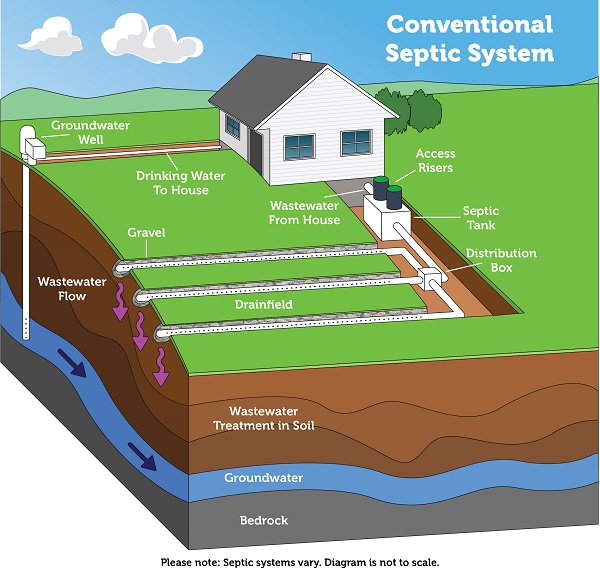
The most widely used septic system, consisting of a septic tank and a subsurface drainage field. Wastewater flows by gravity from the tank to the leach field where natural soil treatment occurs.
Compare different septic system types to find the best solution for your property. Learn about conventional, aerobic, mound, and alternative systems.
Quick reference guide comparing all major septic system types across key factors.
| System Type | Best For | Cost Range | Maintenance | Treatment Level |
|---|---|---|---|---|
|
Conventional
|
Standard soil conditions, flat terrain | $3,000 - $10,000 | Low - Pump every 3-5 years | Basic |
|
Chamber
|
Areas with limited gravel access | $4,000 - $12,000 | Low - Pump every 3-5 years | Basic |
|
Drip Distribution
|
Shallow soils, uneven terrain | $8,000 - $18,000 | Moderate - Annual inspection | Enhanced |
|
Mound
|
High water table, shallow bedrock | $10,000 - $25,000 | Moderate - Pump + inspection | Enhanced |
|
Aerobic (ATU)
|
Poor soil, small lots, high treatment needs | $10,000 - $20,000 | High - Quarterly inspections | Advanced |
|
Sand Filter
|
High treatment requirements, sensitive areas | $12,000 - $25,000 | High - Regular monitoring | Advanced |
In-depth guides for each septic system type including how they work, pros and cons, and ideal applications.
The most widely used septic system, consisting of a septic tank and a subsurface drainage field. Wastewater flows by gravity from the tank to the leach field where natural soil treatment occurs.
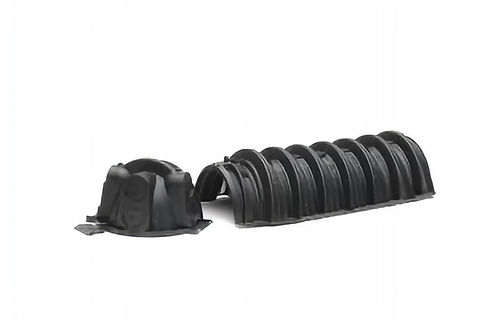
A gravelless drain field system using plastic chambers instead of traditional gravel trenches. The open-bottom chambers provide storage and infiltration area for effluent.
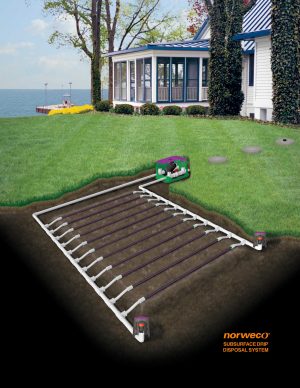
Uses pressure distribution to deliver effluent through small-diameter tubing at shallow depths. Ideal for sites with shallow soils or irregular terrain where conventional systems won't work.
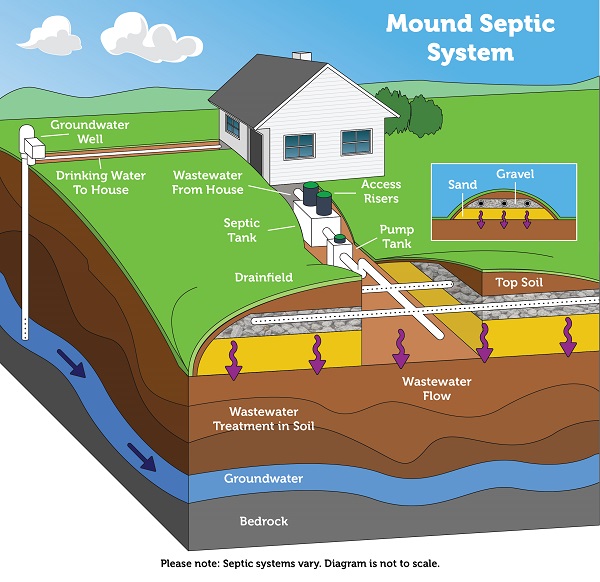
A raised drain field built above the natural soil surface using sand fill. Used when there's a high water table, shallow bedrock, or poor soil permeability.
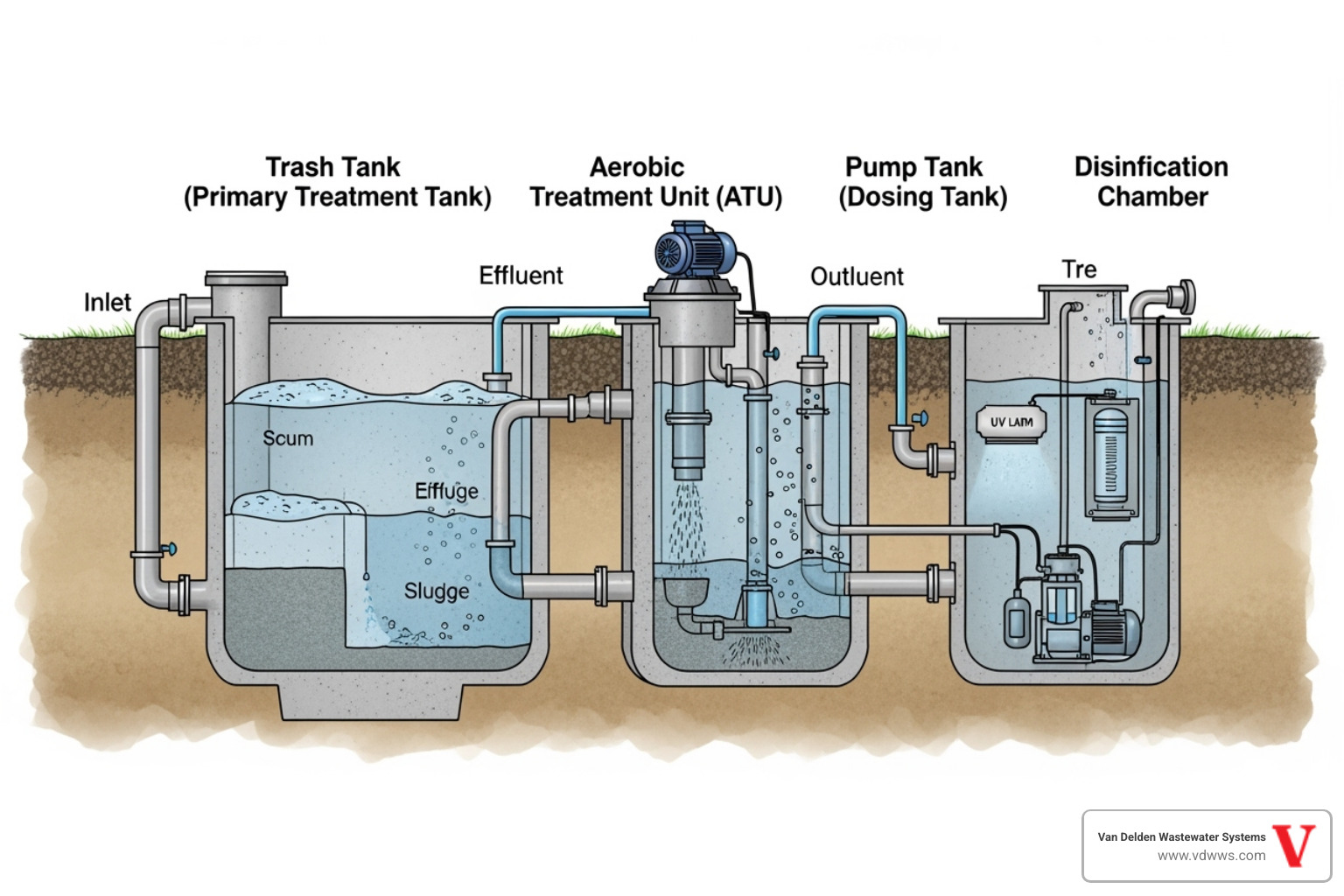
Uses oxygen injection to promote aerobic bacteria growth, providing advanced wastewater treatment. Produces cleaner effluent suitable for sensitive environments or small lots.
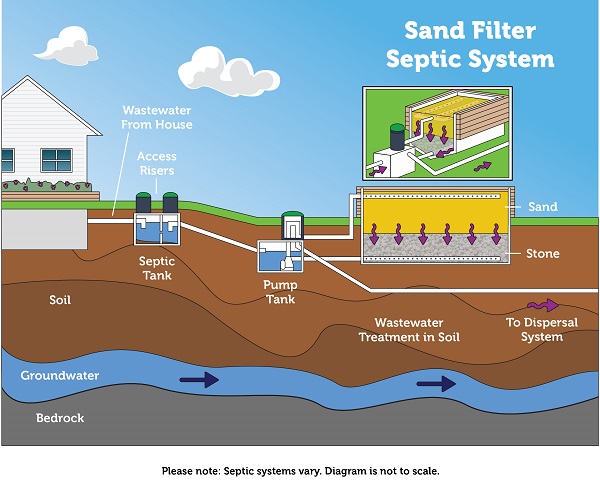
Uses a bed of sand to filter and treat effluent through biological and physical processes. Effluent is recirculated through the sand multiple times for enhanced treatment.
Consider these key factors when choosing a septic system for your property.
Have a percolation test done to determine soil drainage capacity.
Available space determines which systems can be installed.
High groundwater limits conventional system options.
Installation and long-term maintenance costs vary significantly.
Some areas require specific system types for environmental protection.
Consider your willingness to perform regular system maintenance.
Still unsure? Consult with a licensed septic professional for a site evaluation.
Find a ContractorExplore more guides to help you understand and maintain your septic system.
Learn about the complete septic installation process, from site evaluation to final inspection.
Read GuideKeep your system running smoothly with our comprehensive maintenance checklist and schedule.
View ScheduleEstimate installation, maintenance, and repair costs for different septic system types.
Calculate Costs