Legal Requirements

Septic System Regulations

Navigate federal, state, and local regulations with ease. Understand permit requirements, environmental standards, and compliance obligations for your septic system.

Understanding Regulation Levels

Septic system regulations exist at three levels, each with different scopes and requirements.

Federal Regulations

Broad environmental protection standards that apply nationwide.

  • EPA guidelines
  • Clean Water Act
  • Safe Drinking Water Act
  • General standards, not specific requirements

State Regulations

State-specific rules that vary significantly across the country.

  • State health department rules
  • Environmental protection agency
  • Licensing requirements
  • Varies significantly by state

Local Regulations

County and municipal codes with the most specific requirements.

  • County health department
  • Building codes
  • Zoning restrictions
  • Most specific requirements

Common Permit Types

Most septic system work requires proper permits. Here's what you need to know about the different types.

Installation Permit

Required for all new septic system installations. Includes site evaluation and system design approval.

Repair Permit

Required for major repairs to existing systems. Minor repairs may be exempt in some jurisdictions.

Modification Permit

Required when making changes to an existing system, such as adding capacity or changing components.

Abandonment Permit

Required when decommissioning a septic system, ensuring proper closure and environmental safety.
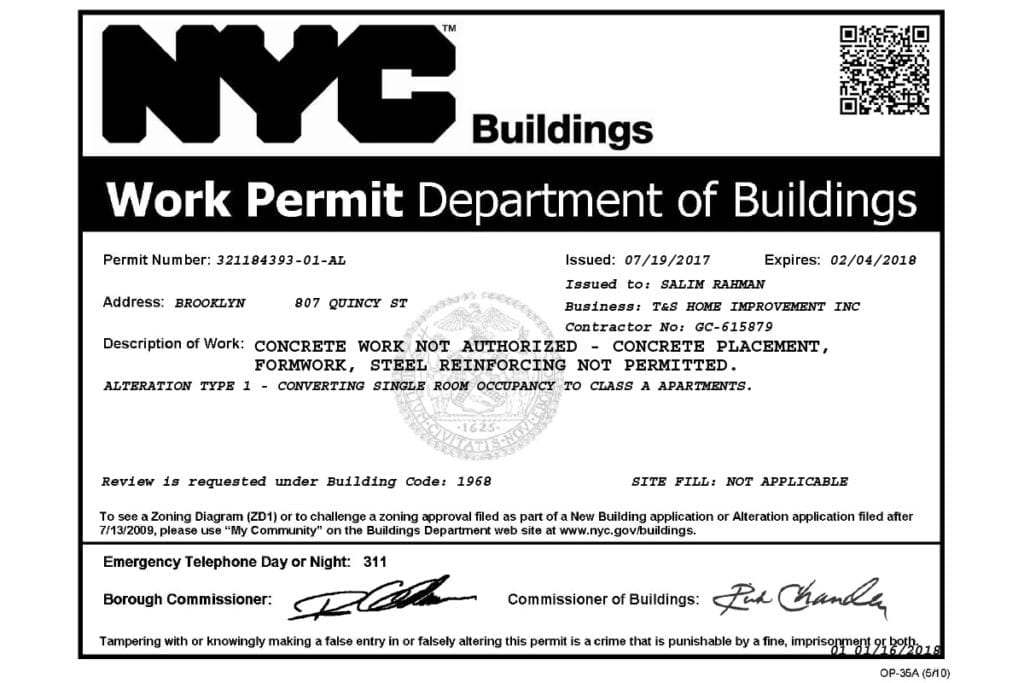
Building permit document and official paperwork

Permit Required

Work without permits may result in fines
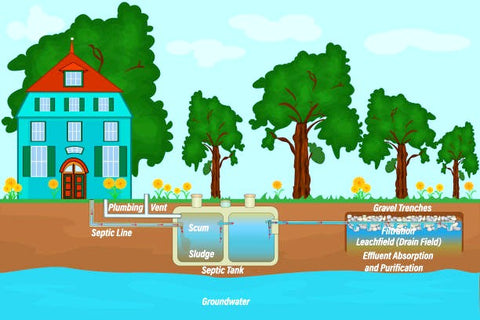
Environmental Regulations

Protecting groundwater and surface water is a primary goal of septic system regulations.

Clean water source and environmental protection

Minimum Setbacks

Required distances from sensitive areas to prevent contamination.

  • 50-100 feet from wells
  • 50-100 feet from water bodies
  • 10-25 feet from property lines

Soil Percolation Requirements

Soil must adequately absorb and filter wastewater.

  • Minimum percolation rate testing
  • Seasonal high water table assessment
  • Soil depth and texture evaluation

Maximum Discharge Limits

Systems must meet effluent quality standards for BOD, TSS, and fecal coliform levels to protect public health and the environment.

Sensitive Area Protections

Enhanced requirements near drinking water sources, wetlands, flood zones, and environmentally sensitive habitats.

Stay Compliant

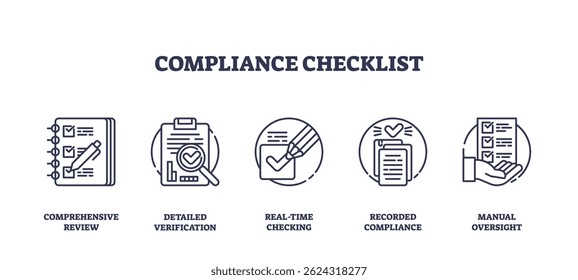
Compliance Checklist

Use this checklist to ensure your septic system meets all regulatory requirements. Track your progress and stay compliant.

Compliance checklist and regulatory verification

Download Checklist

PDF format

State Resources

Find your state's septic system regulatory agency and resources.

State Regulatory Agency Website Action
California CA State Water Resources Control Board waterboards.ca.gov Visit
Florida FL Department of Health floridahealth.gov Visit
Texas TX Commission on Environmental Quality tceq.texas.gov Visit
New York NY Department of Health health.ny.gov Visit
Pennsylvania PA Department of Environmental Protection dep.pa.gov Visit
Illinois IL Environmental Protection Agency epa.illinois.gov Visit
Ohio OH Department of Health odh.ohio.gov Visit
Georgia GA Department of Public Health dph.georgia.gov Visit
North Carolina NC Department of Health and Human Services ncdhhs.gov Visit
Michigan MI Department of Environment, Great Lakes, and Energy michigan.gov/egle Visit
Virginia VA Department of Health vdh.virginia.gov Visit
Washington WA State Department of Health doh.wa.gov Visit

No states found matching your search.

Don't see your state? Contact your local health department for septic system regulations.

Find Your Local Health Department