Troubleshooting Guide

Common Septic System Problems

Learn to identify warning signs, understand causes, and find solutions for the most frequent septic system issues. Early detection can save you thousands in repair costs.

Warning Signs to Watch For

Recognizing these early warning signs can help you address problems before they become major emergencies.

Slow Drains

Multiple fixtures draining slowly throughout your home, not just one sink or tub.

Early Warning

Sewage Odors

Foul smells coming from drains, toilets, or outdoors near the septic tank or drain field.

Moderate Concern

Lush Green Grass

Unusually green or fast-growing patches of grass over your drain field area.

Early Warning

Standing Water

Puddles or soggy areas in your yard, especially near the septic tank or drain field.

Moderate Concern

Gurgling Sounds

Bubbling or gurgling noises coming from drains, toilets, or pipes after flushing.

Early Warning

Sewage Backup

Waste backing up into sinks, tubs, or toilets. This is a serious emergency.

Critical Emergency

Common Problems & Solutions

Understanding the root causes helps you make informed decisions about repairs and prevention.
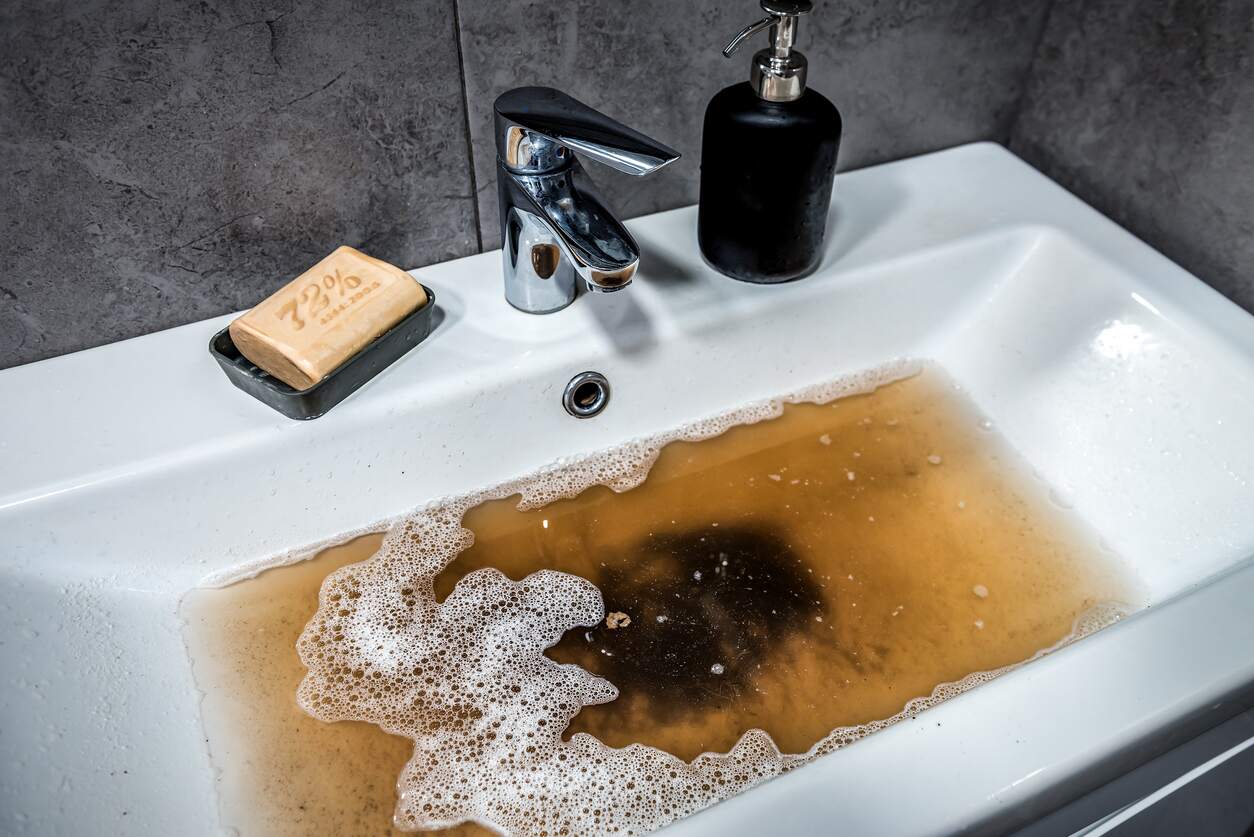
Clogged bathroom sink showing slow draining water
Most Common

System Clogs

Clogs are the most frequent septic issue, caused by improper waste disposal and buildup in pipes or the tank.

Common Causes

  • Non-biodegradable items (wipes, feminine products)
  • Grease and oil buildup from kitchen drains
  • Tree root intrusion into pipes
  • Excess solid waste accumulation

Solutions

  • Professional septic pumping
  • Hydro-jetting to clear pipes
  • Root removal and barrier installation
  • Enzyme treatments for maintenance
Prevention: Proper waste disposal and regular pumping

Drain Field Failure

When the drain field (leach field) fails, wastewater cannot properly absorb into the soil, leading to backups and environmental hazards.

Common Causes

  • System overloading from excessive water use
  • Compacted soil from vehicles or structures
  • Biomat clogging the soil interface
  • Aging system beyond 20-25 years

Solutions

  • System rest and water use reduction
  • Soil aeration and remediation
  • Drain field replacement or expansion
  • Installation of additional leach lines
Warning Signs: Standing water, odors, lush grass patches
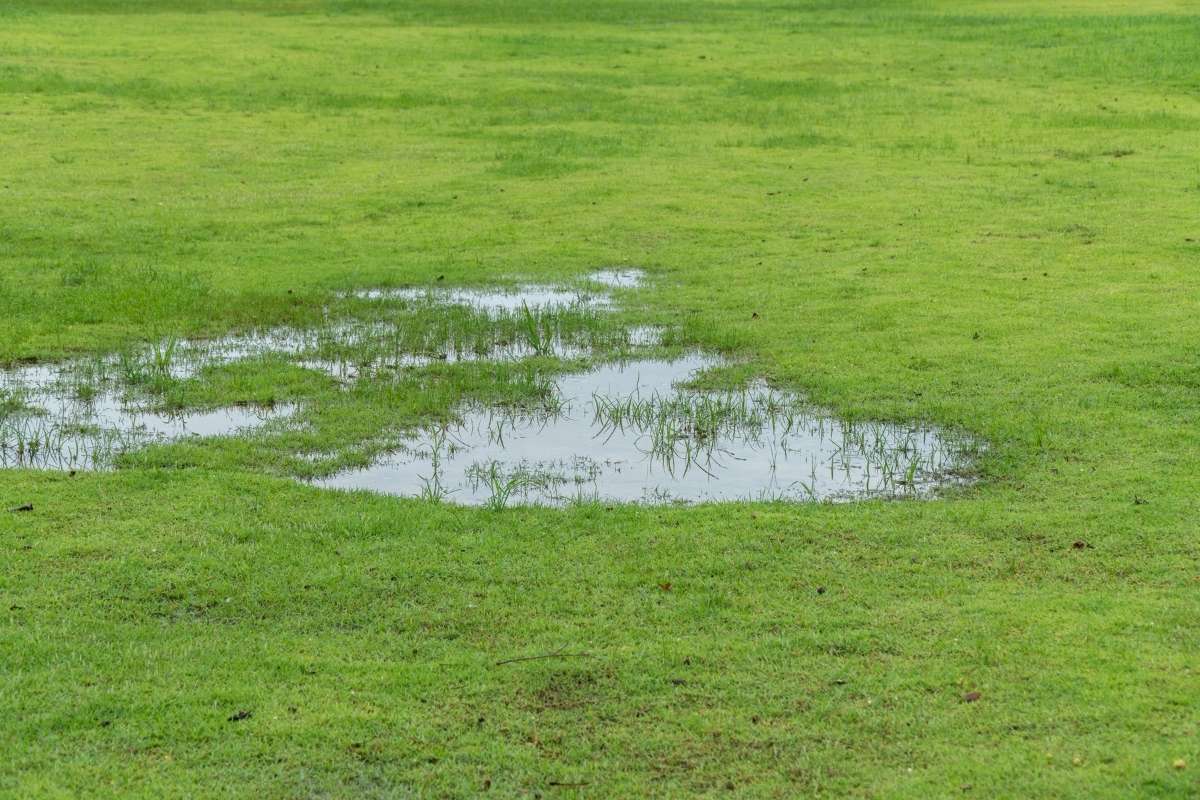
Standing water in yard indicating drain field failure
Serious Issue
Septic tank odor issues
Inspection Needed

Tank Damage

Physical damage to the septic tank can cause leaks, contamination, and system failure. Older tanks are especially vulnerable.

Common Causes

  • Cracks from ground shifting or age
  • Corrosion in concrete or steel tanks
  • Baffle damage affecting flow separation
  • Improper installation or maintenance

Solutions

  • Professional inspection and assessment
  • Crack sealing or patch repairs
  • Baffle replacement or repair
  • Tank replacement if severely damaged
Watch for: Wet spots, persistent odors, rapid filling

Tree Root Intrusion

Tree roots naturally seek moisture and nutrients, making your septic system an attractive target. Roots can infiltrate pipes and cause significant damage.

Common Causes

  • Trees planted too close to the system
  • Small cracks or joints in pipes attracting roots
  • Willows, maples, and poplars with aggressive roots
  • Old clay or concrete pipes with loose connections

Solutions

  • Professional root cutting and removal
  • Hydro-jetting to clear root masses
  • Root barrier installation
  • Pipe replacement with root-resistant materials
Prevention: Plant trees at least 50 feet from system
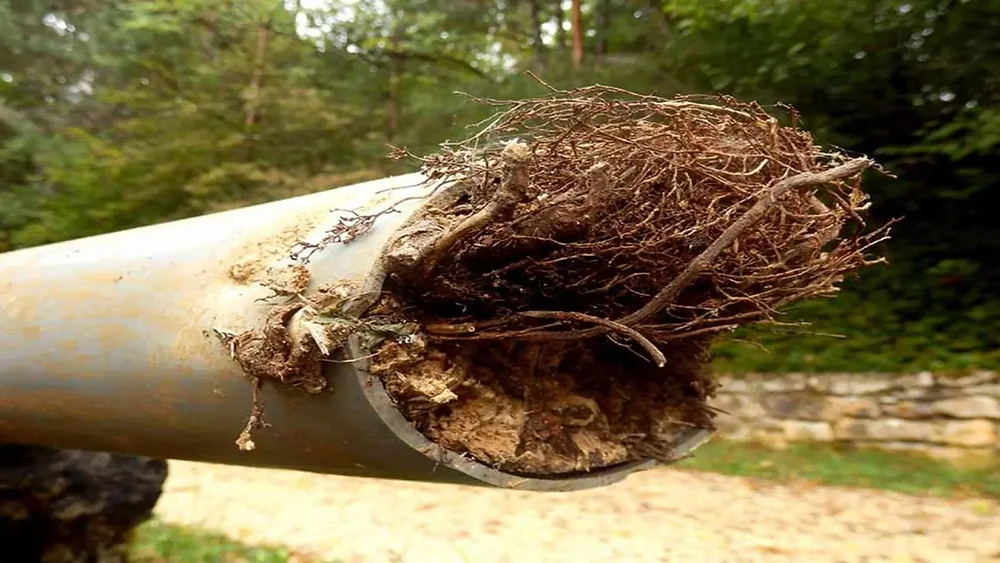
Tree roots damaging sewer pipe
Preventable

Emergency Action Guide

If you're experiencing a sewage backup or other septic emergency, follow these steps immediately to minimize damage and health risks.

1

Stop Using Water

Immediately stop all water use to prevent further backup and damage.

2

Call a Professional

Contact a licensed septic service immediately for emergency assistance.

3

Avoid the Area

Keep children and pets away from affected areas due to health hazards.

4

Document Everything

Take photos for insurance claims and professional assessment.

Prevention Tips

The best way to handle septic problems is to prevent them. Follow these expert tips to keep your system running smoothly.

Regular Pumping Schedule

Have your septic tank pumped every 3-5 years depending on household size and usage.

Watch What Goes Down

Never flush wipes, feminine products, grease, or chemicals. Only toilet paper and human waste.

Conserve Water

Spread out laundry loads, fix leaks promptly, and install water-efficient fixtures.

Smart Landscaping

Keep trees at least 50 feet from the system. Plant grass over the drain field.

Protect the Drain Field

Never drive or park vehicles on the drain field. Don't build structures over it.

Regular Inspections

Have a professional inspect your system annually to catch issues early.

Related Resources